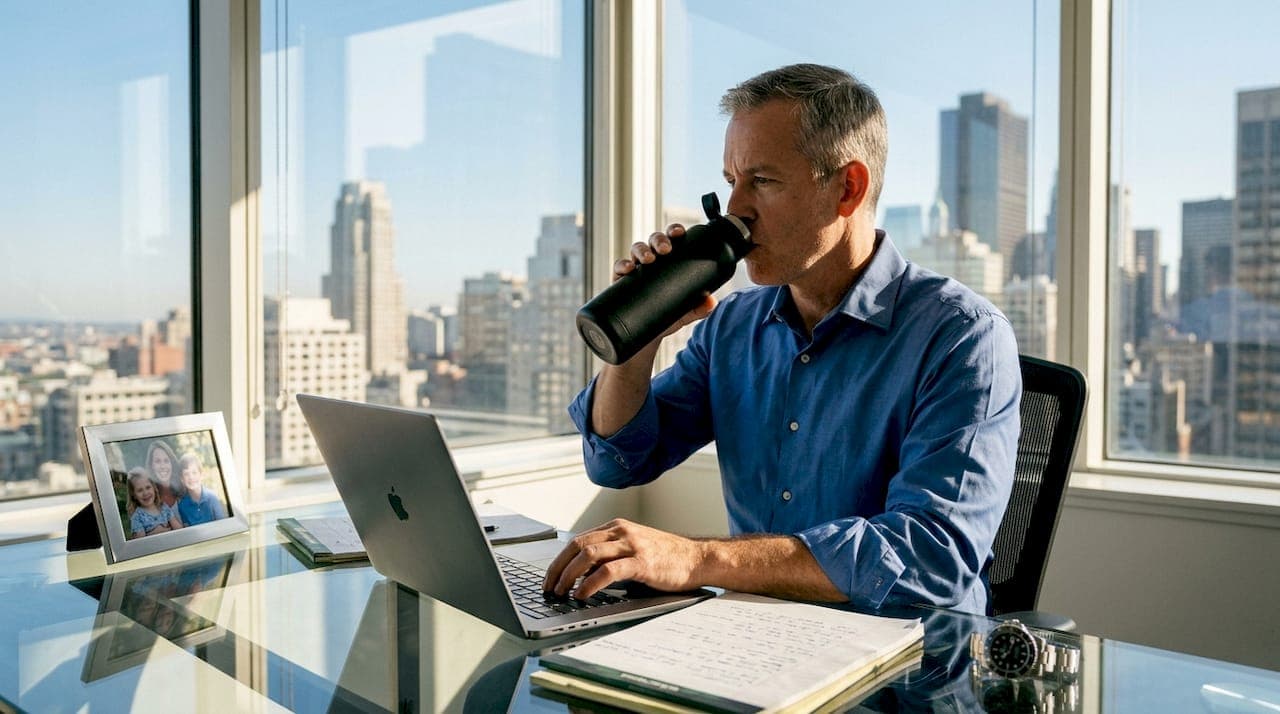
High-performing executives face a unique paradox: the same drive and discipline that fuel professional success often undermine long-term health. Chronic stress, irregular schedules, and relentless demands create a perfect storm for burnout and declining vitality. This article delivers evidence-based strategies tailored specifically for leaders aged 40-65 who refuse to compromise on either performance or longevity. You'll discover how to evaluate health interventions, implement sustainable practices, and integrate resilience-building habits into your demanding routine without sacrificing the edge that defines your success.
Table of Contents
- Key Takeaways
- Evaluating criteria for long-term health strategies
- Top long-term health tips for vitality and resilience
- Comparing long-term health strategies: a practical side-by-side
- Choosing and integrating health strategies into an executive lifestyle
- Optimize your health journey with Viridos tools
- FAQ
Key Takeaways
| Point | Details |
|---|---|
| Holistic health approach | Adopt a long term plan that combines nutrition, exercise, sleep, and stress management for sustainable vitality. |
| Evaluate health strategies | Assess interventions against sustainability, resilience, personalization, and measurable impact before committing time. |
| Track progress regularly | Use a performance journal to transform subjective feelings into data and guide optimization. |
| Recovery supports performance | Prioritize recovery, mental health practices, and deliberate rest to sustain focus and cognitive clarity amid heavy demands. |
Evaluating criteria for long-term health strategies
Selecting effective health strategies requires a framework that accounts for the realities of executive life. Long-term health requires sustainability, resilience building, and personalized adaptation rather than quick fixes that demand unsustainable lifestyle overhauls. Most generic health advice fails executives because it ignores the high-stress environment, irregular schedules, and cognitive demands that define your daily reality.
Four criteria separate effective strategies from wasted effort. First, sustainability means you can maintain the practice through travel, crisis periods, and seasonal intensity without complete disruption. Second, resilience building focuses on strategies that strengthen your capacity to handle stress rather than simply avoiding it. Third, personalization acknowledges that your optimal approach differs from your peers based on your specific stressors, genetics, and lifestyle constraints. Fourth, measurable impact ensures you're investing time in interventions that demonstrably improve markers like energy levels, recovery speed, and cognitive performance.
Quick fixes like extreme diets or punishing workout regimens create short-term results but collapse under executive pressure. When a critical deal demands your attention or you're managing a team crisis, rigid protocols become the first casualty. Effective strategies flex with your reality while maintaining core benefits.
Recovery, mental health, and consistent tracking form essential pillars. Recovery isn't weakness but strategic investment in sustained output. Mental health practices like brief mindfulness sessions or strategic breathing create immediate stress reduction without disrupting workflow. Tracking through a performance journal transforms subjective feelings into objective data, revealing patterns and enabling continuous optimization.
"The executives who maintain vitality into their 60s don't work less hard. They work more strategically, building recovery and resilience into their operating system rather than treating health as a separate project."
Evaluate any health intervention against these criteria before committing time and energy. Does it fit your actual schedule? Does it build capacity or just manage symptoms? Can you track meaningful outcomes? These questions separate strategies that compound over decades from those that fade within weeks.
Top long-term health tips for vitality and resilience
Implementing evidence-based health strategies doesn't require overhauling your life. Sustainable nutrition, exercise, sleep optimization, and stress management improve long-term executive health when integrated thoughtfully into existing routines. These five practices deliver compounding returns on vitality and cognitive performance.
-
Prioritize anti-inflammatory nutrition: Focus on whole foods rich in omega-3 fatty acids, colorful vegetables, and quality proteins. Executives often rely on convenience foods during high-stress periods, but chronic inflammation from poor nutrition directly impairs cognitive function and recovery capacity. Meal preparation services or strategic restaurant choices make this sustainable without becoming a time sink.
-
Incorporate functional movement daily: Aim for 30 minutes of activity that combines cardiovascular work with functional strength. This doesn't mean marathon training. Brief, intense sessions like hill walking, resistance circuits, or swimming deliver superior benefits for busy schedules. The goal is consistent movement that maintains muscle mass, cardiovascular health, and stress resilience.
-
Optimize sleep architecture: Protect 7-8 hours of sleep opportunity with consistent timing, even on weekends. Sleep deprivation compounds across nights, creating cognitive deficits equivalent to intoxication. Create a wind-down routine that signals your nervous system to shift from executive mode to recovery mode. This might include limiting screen exposure, reducing ambient temperature, or brief stretching.
-
Practice tactical stress management: Integrate brief mindfulness practices into transition moments throughout your day. Two-minute breathing exercises between meetings, a short walk after intense calls, or strategic use of music during commutes create recovery windows without requiring dedicated meditation time. These micro-practices prevent stress accumulation that leads to burnout.
-
Review and adjust monthly: Dedicate 30 minutes each month to reviewing your performance journal and adjusting your approach based on what the data reveals. Which weeks felt energized versus depleted? What patterns emerge around sleep, nutrition, or stress? This meta-level review transforms scattered efforts into a refined system.
Pro Tip: Start with just one practice and establish consistency before adding others. Executives often try to optimize everything simultaneously, creating unsustainable complexity. Master one habit, then layer in the next. This sequential approach builds lasting change rather than temporary enthusiasm.
These strategies work because they respect your constraints while delivering measurable impact. You're not trying to live like a professional athlete. You're optimizing the specific variables that matter most for sustained executive performance over decades.
Comparing long-term health strategies: a practical side-by-side
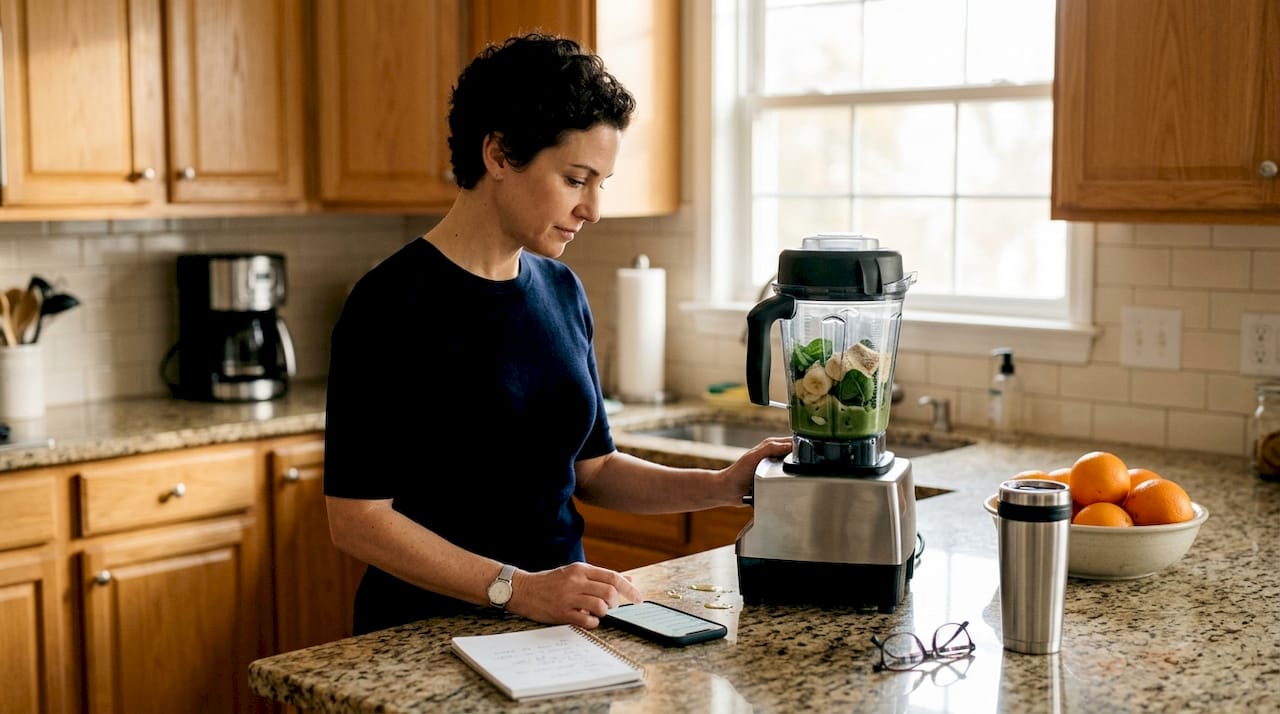
Different strategies suit different executive contexts. Tailoring health strategies enhances adherence and long-term outcomes by matching interventions to your specific constraints and goals. This comparison helps you select approaches that fit your reality.
| Strategy | Time Investment | Primary Benefits | Key Challenges | Best For |
|---|---|---|---|---|
| Intermittent fasting | Minimal (scheduling) | Metabolic health, mental clarity, simplicity | Social dining constraints, initial adaptation | Executives with control over meal timing |
| Strength training | 3-4 hours weekly | Muscle preservation, bone density, metabolic rate | Requires equipment access, technique learning | Leaders prioritizing physical resilience |
| Daily meditation | 10-20 minutes | Stress reduction, focus, emotional regulation | Consistency challenges, skepticism | High-stress roles requiring mental clarity |
| Strategic napping | 20-30 minutes | Immediate alertness, memory consolidation | Scheduling difficulty, social perception | Executives with flexible daily structure |
| Cold exposure | 5-10 minutes | Metabolic boost, stress adaptation, inflammation reduction | Initial discomfort, facility requirements | Leaders seeking resilience training |
Each strategy offers distinct advantages depending on your priorities and constraints. Intermittent fasting works brilliantly for executives who travel frequently because it simplifies rather than complicates food decisions. You're not searching for specific meals or supplements. You're simply compressing your eating window, which often aligns naturally with meeting schedules.
Strength training delivers the highest return for maintaining physical capability as you age. Muscle mass and bone density decline significantly after 40 without resistance training, directly impacting energy levels and injury resilience. However, this requires the most significant time commitment and often benefits from professional coaching initially.
Meditation faces the biggest perception barrier among executives who view sitting still as wasted time. Yet the cognitive benefits for decision-making under pressure and emotional regulation during crises make this among the highest-leverage practices. Start with just five minutes to overcome initial resistance.
Strategic napping remains underutilized despite strong evidence for cognitive restoration. A 20-minute nap after lunch can eliminate the afternoon energy dip that many executives fight with caffeine. The challenge is creating space in your schedule and overcoming cultural bias against daytime rest.
Use this framework to select 2-3 strategies that align with your specific goals and constraints. Track results in your performance journal for 30 days before adding new practices. This disciplined approach prevents the common mistake of attempting everything simultaneously and sustaining nothing long-term.
Choosing and integrating health strategies into an executive lifestyle
Successful integration requires matching strategies to your actual operating constraints, not your idealized schedule. Consistency and integration with daily routines are crucial for lasting improvements in executive health and performance. These principles guide effective implementation.
Set realistic goals that account for your travel schedule, seasonal intensity, and family commitments. If you travel two weeks monthly, choose strategies that work in hotel environments. If Q4 always brings 70-hour weeks, plan lighter health commitments during that period rather than setting yourself up for failure. Your health system should flex with your reality while maintaining core practices.
Use your performance journal as both tracking tool and accountability system. Record daily practices, energy levels, sleep quality, and subjective well-being. After 30 days, patterns emerge that reveal what actually moves the needle versus what feels productive but delivers minimal impact. This data-driven approach eliminates guesswork and emotional decision-making about health investments.
Build habits gradually through small wins rather than dramatic overhauls. Add one practice, establish consistency for 30 days, then layer in the next. This sequential approach feels manageable and creates compounding momentum. Executives often underestimate how much sustainable small changes compound over years while overestimating the impact of intense short-term efforts.
Leverage your executive skills for health optimization. You're skilled at delegation, systems thinking, and resource allocation in business. Apply these same capabilities to your health. Delegate meal preparation, schedule health practices like any other critical meeting, and allocate resources toward quality sleep environments or fitness equipment. Your health deserves the same strategic thinking you apply to business challenges.
Pro Tip: Create implementation triggers that link new health habits to existing routines. Instead of trying to remember to meditate, always meditate immediately after your morning coffee. Instead of hoping to exercise, schedule it like a client meeting. These contextual cues dramatically improve consistency without requiring willpower.
Review and adjust your approach quarterly. What worked during stable periods might not fit during intense growth phases. Your health system should evolve with your business and life circumstances. This ongoing refinement prevents the common pattern of abandoning health practices entirely when they stop fitting your current reality. Adaptation beats abandonment.
Optimize your health journey with Viridos tools
Transforming knowledge into sustained practice requires the right systems and support. Viridos provides premium tools specifically designed for executives who demand both performance and longevity. The performance journal offers a structured framework for tracking daily habits, energy patterns, and resilience metrics, transforming subjective experience into actionable data.
Unlike generic health apps, Viridos understands the executive context. You need tools that respect your time, integrate seamlessly with demanding schedules, and deliver insights rather than just data collection. The journal takes minutes daily but reveals patterns that guide strategic adjustments to your health approach. Combined with Viridos's premium formulations developed specifically for male vitality and performance, you gain a complete system for sustained executive health.
Explore how Viridos supports leaders committed to long-term vitality at the Viridos website. Your performance today matters, but your capacity to sustain that performance for decades matters more.
FAQ
What are the best exercises for busy executives to maintain vitality?
Combine strength training with cardiovascular activity in focused 30-45 minute sessions three to four times weekly. Functional exercises like squats, deadlifts, and pressing movements maintain muscle mass and bone density while improving posture and reducing injury risk. Brief high-intensity intervals deliver cardiovascular benefits without requiring hour-long endurance sessions.
How can executives manage stress effectively while maintaining productivity?
Incorporate tactical mindfulness practices like two-minute breathing exercises between meetings and brief walks after intense calls. These micro-recovery windows prevent stress accumulation without disrupting workflow. Regular physical activity and protecting 7-8 hours of sleep provide the foundation for stress resilience, enabling you to handle pressure without burning out.
What role does sleep play in long-term health for executives?
Sleep optimizes cognitive function, physical recovery, and immune health, all critical for sustained executive performance. Aim for 7-8 hours nightly with consistent timing, even on weekends. Sleep deprivation compounds across nights, creating decision-making impairment equivalent to intoxication. Protect your sleep schedule like you protect critical business meetings because the cognitive benefits directly impact your effectiveness.
How long before executives see results from health improvements?
Energy and mental clarity often improve within 7-10 days of consistent sleep and stress management practices. Metabolic and physical changes from nutrition and exercise typically become noticeable after 4-6 weeks. Long-term benefits like improved resilience, sustained vitality, and disease prevention compound over months and years. Focus on consistency rather than immediate transformation.
Should executives work with health professionals or self-manage?
Working with specialized professionals accelerates results and prevents common mistakes, especially for strength training technique and personalized nutrition strategies. However, self-management using structured tools like performance journals works effectively for executives with strong self-discipline. The optimal approach often combines professional guidance for initial setup with ongoing self-management and periodic check-ins.