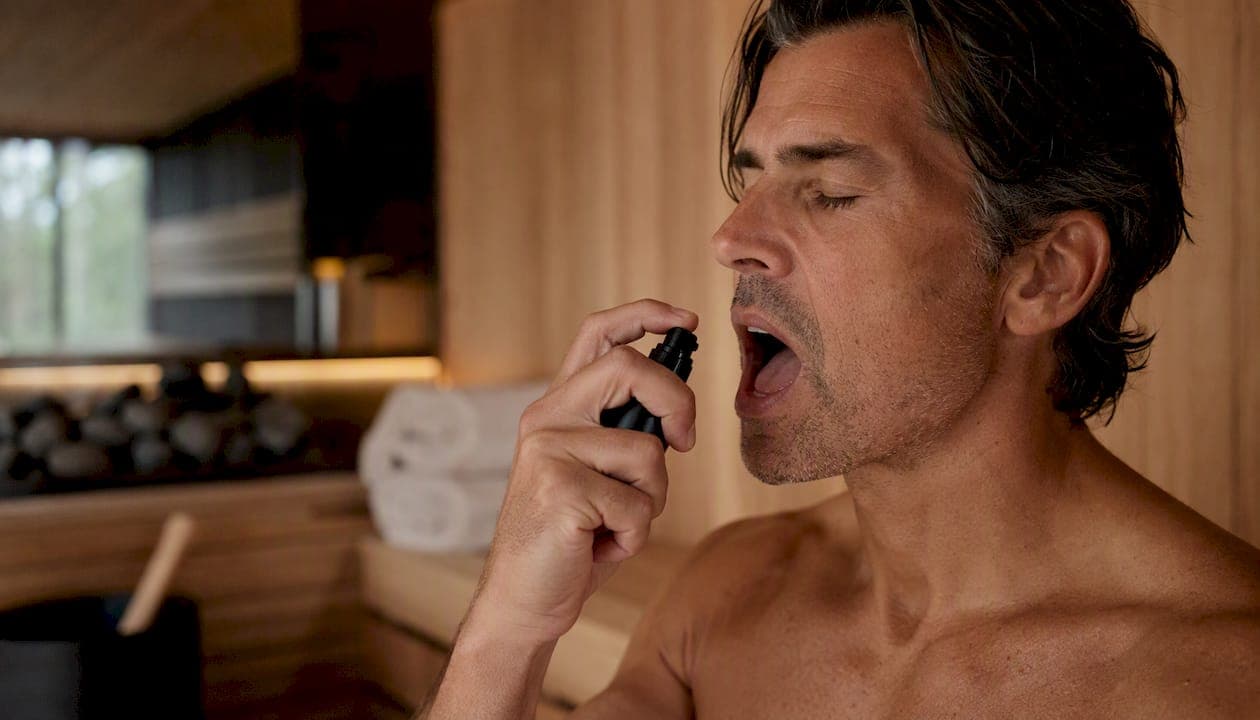
The right time to use a plant-derived sublingual performance spray depends entirely on what you're asking it to do. For acute demand, use it 20 to 60 minutes before the event: a board presentation, a sprint workout, a flight departure. For daily maintenance, anchor it to your morning or pre-sleep routine, depending on the formulation's ingredient profile.
That window is not arbitrary. It reflects how quickly compounds absorbed under the tongue reach peak concentration in the bloodstream, a pattern documented across sublingual pharmacokinetic research.
Two use-cases, two protocols:
- Acute tactical use — meetings, workouts, travel days, or any moment demanding immediate clarity and drive.
- Steady-state maintenance — a fixed daily dose that supports long-term resilience rather than a single spike.
Pro Tip: Sublingual sprays typically reach peak plasma levels in 20 to 23 minutes, compared to roughly an hour for slower-release oral formats. Consistency in daily dosing matters more for long-term outcomes than hitting the exact minute.
Key Takeaways
The best time to use a sublingual performance spray is 20 to 60 minutes before acute demand, paired with a fixed daily dose for steady-state maintenance.
| Point | Details |
|---|---|
| Time acute doses to Tmax | Dose 20 to 60 minutes before high-stakes meetings, workouts, or travel demands. |
| Anchor maintenance to routine | Use a fixed morning or pre-sleep dose for steady-state support, independent of daily events. |
| Technique determines absorption | Hold the spray under the tongue for 30 to 60 seconds without swallowing to preserve mucosal uptake. |
| Formulation quality is verifiable | Look for standardized extracts, mucoadhesive excipients, and third-party batch testing before buying. |
| Consistency outweighs precision | Missed maintenance doses undermine long-term gains more than slightly imperfect timing. |
| Viridos matches the protocol | Viridos's small-batch Swedish spray is formulated around these same pharmacokinetic timing principles. |
Table of Contents
- Why Sublingual Timing Matters: The Pharmacokinetic Logic
- Practical Timing Protocols by Objective
- How to Apply a Sublingual Spray for Maximal Mucosal Uptake
- What to Look For in a Premium Plant-Derived Sublingual Performance Spray
- Safety, Contraindications, and When to Consult a Clinician
- What to Expect and How to Judge Whether It's Working
- A Precision Option Built Around This Exact Protocol
- Frequently Asked Questions
- Sources
Why Sublingual Timing Matters: The Pharmacokinetic Logic
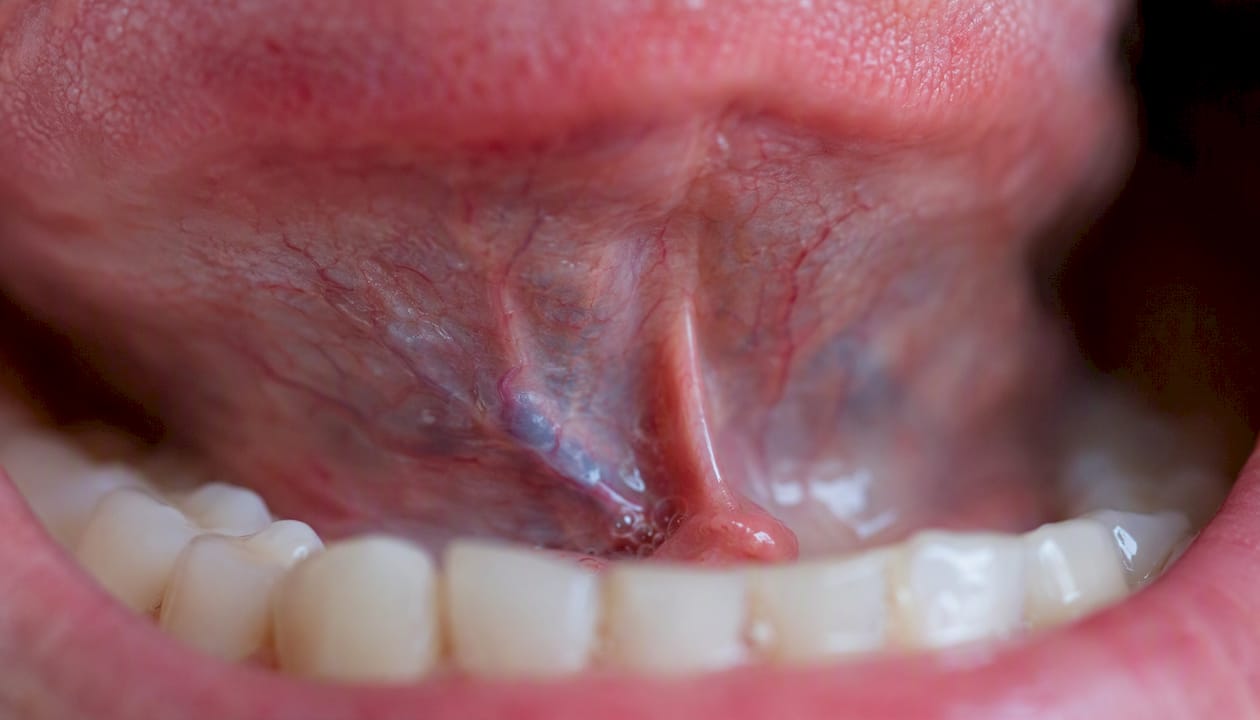
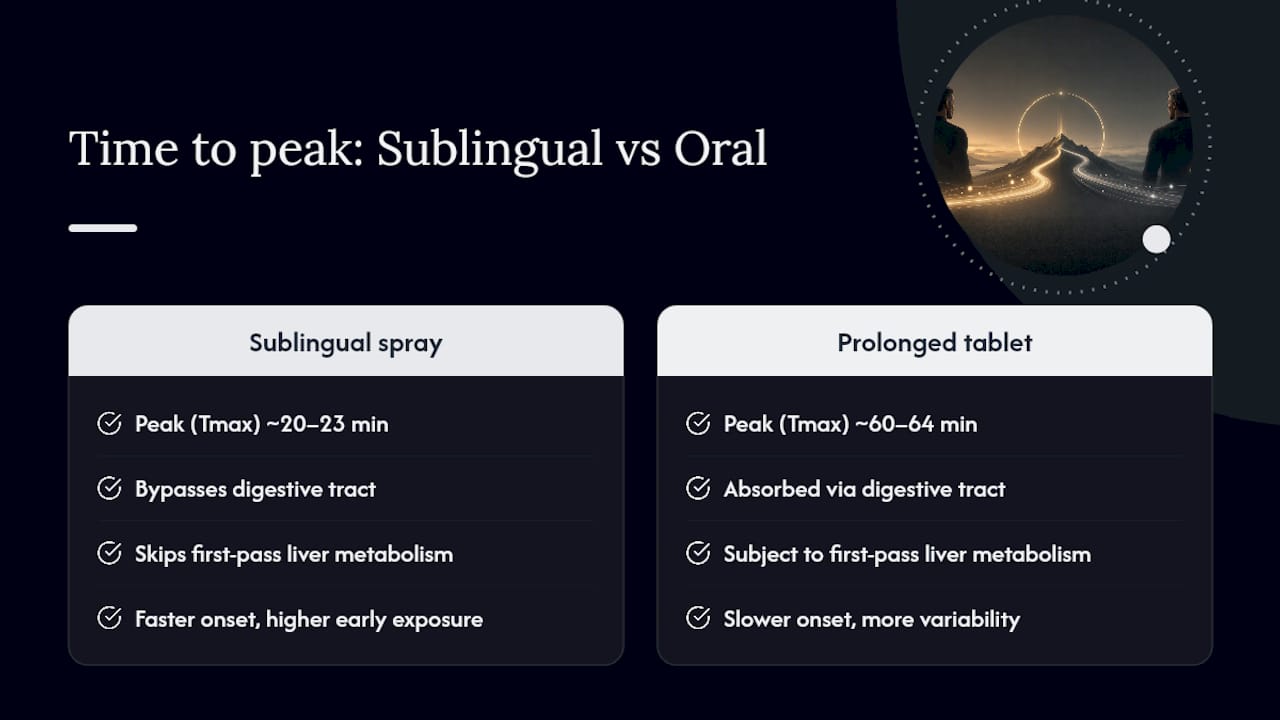
Sublingual delivery works because the tissue under your tongue is thin, vascular, and bypasses the digestive tract entirely. Compounds absorbed there enter the bloodstream directly, skipping first-pass liver metabolism, which is why sublingual routes often produce faster onset and higher early exposure than swallowing the same dose.
The data is specific enough to plan around. A crossover study comparing an immediate-release sublingual melatonin spray to a prolonged-release tablet found the spray reached peak concentration at roughly 20 to 23 minutes, versus 60 to 64 minutes for the tablet, according to research published in Drugs in R&D. Sublingual estradiol studies show a comparable pattern: faster peak concentrations than oral dosing, often in a fraction of the time. A broader review of sublingual and buccal delivery systems confirms this is not an isolated finding. It's a consistent property of the route itself, driven in large part by mucoadhesive polymers and permeation enhancers built into modern formulations.
The advantage disappears fast if the technique fails. Swallow the dose too early, use a formulation with weak mucoadhesion, or apply it inconsistently, and you're left with something closer to standard oral absorption; slower onset, more variability, less control.
Pro Tip: Think in terms of the expected peak plasma window, not the clock. If your formulation's data points to a 20 to 40 minute Tmax, dose within that lead time before the moment you need the effect, not the instant you walk into the room.
Practical Timing Protocols by Objective
Different objectives call for different lead times. Here's how to sequence a plant-derived sublingual spray against five common demands high-agency men face.
- Acute cognitive focus or high-stakes meeting: Dose 20 to 40 minutes before you need sharpened clarity. Avoid heavy meals immediately beforehand, since digestion can compete for attention and dull the sensation of onset.
- Pre-workout / physical performance: A 30 to 60 minute lead time aligns with peak plasma windows while giving your body time to warm up. Pair with hydration, not caffeine stacking, to avoid overstimulation.
- Travel or time-zone transitions: Time the dose to your destination's schedule, not your origin's. This is where formulation-dependent onset speed matters most, since jet lag protocols depend on precise timing relative to target sleep or wake windows.
- Daytime sustained alertness: A midday dose, roughly 20 to 30 minutes before an afternoon slump typically hits, can smooth out the dip without disrupting nighttime sleep architecture.
- Evening or pre-sleep maintenance: If your formulation is designed for recovery or steady-state support, anchor this dose to a consistent bedtime routine rather than treating it as a rescue measure.
| Objective | Recommended Lead Time | Rationale |
|---|---|---|
| High-stakes meeting | 20–40 minutes | Aligns with typical sublingual Tmax for rapid-onset formulations |
| Pre-workout | 30–60 minutes | Matches peak plasma window to physical exertion |
| Travel / time-zone shift | Timed to destination clock | Onset speed supports circadian realignment |
| Afternoon slump | 20–30 minutes before dip | Short lead time suits transient alertness need |
| Evening maintenance | Fixed nightly time | Steady-state benefit depends on consistency, not precision |
The tactical and the chronic can coexist, as explored in comprehensive men's health supplement reviews that highlight performance integration strategies. Use your daily maintenance dose as the backbone of your routine, then layer an occasional tactical dose only when demand genuinely spikes; a acquisition close, a physical test, a long-haul flight. Stacking tactical doses on top of a maintenance schedule without spacing them appropriately can blur the distinction between "as-needed" and "routine," which undercuts the discipline the approach depends on.
Pro Tip: Treat your baseline dose as non-negotiable and your tactical dose as situational. The two serve different purposes, and conflating them is the most common execution error.
How to Apply a Sublingual Spray for Maximal Mucosal Uptake
Technique determines whether you get sublingual absorption or an expensive oral dose. Follow this sequence every time:
- Clear your mouth. Avoid food or heavy liquid intake for a few minutes beforehand.
- Position the spray under the tongue or against the inner cheek, targeting the thin mucosal tissue where absorption happens.
- Actuate the spray with a single, deliberate press.
- Hold for 30 to 60 seconds without swallowing. This window allows the compound to partition across the mucosal membrane rather than washing down your throat.
- Breathe gently through your nose and resist the urge to talk or drink immediately after.
Situational adjustments matter. After brushing your teeth, wait a few minutes since fluoride residue can interfere with mucosal contact. If your mouth is dry, a small sip of water beforehand (not after) can improve tissue receptivity. During travel, cabin dryness can reduce saliva flow, so timing your dose after a brief hydration break often improves the experience.
Pro Tip: If you consistently notice no distinct sensation or timing pattern to the effect, review your technique before questioning the formulation. A comparison of CBD delivered sublingually versus orally found nearly identical plasma profiles between the two routes, largely because subjects swallowed the sublingual dose too quickly. The mechanism only works if you let it.
What to Look For in a Premium Plant-Derived Sublingual Performance Spray
Not every spray on the market is built to deliver on the pharmacokinetic promise. A disciplined buyer evaluates formulation the way he'd evaluate any other high-stakes decision: on evidence, not marketing copy.
- Standardized botanical extracts with disclosed concentrations, not proprietary blends that hide dosing.
- Documented extraction method, since crude extracts and standardized extracts behave very differently at the mucosal membrane.
- Mucoadhesive excipients that keep the formulation in contact with tissue long enough for absorption to occur.
- Solubilizers or cyclodextrins where the active compounds are lipophilic and otherwise poorly absorbed, since cyclodextrins can meaningfully increase solubility and mucosal availability when the formulation balance is right.
- Accurate dose-per-spray delivery, verified rather than assumed.
- Third-party batch testing for purity, heavy metals, and microbial contamination.
The gap between a well-formulated sublingual spray and a poorly designed one isn't marketing; it's measurable. Research on resveratrol permeation found that spray-dried excipient compositions and permeation enhancers increased mucosal flux several-fold over unoptimized formulations. Formulation science is not a footnote. It's the entire mechanism.
Small-batch production, the kind practiced in Viridos's Swedish manufacturing process, gives a brand tighter control over these variables than mass-market runs typically allow, and a membership structure means each cohort's supply is tied to consistent, traceable batches rather than anonymous inventory. For readers evaluating category alternatives, a closer look at plant-derived performance spray formulations is worth the time before committing to a routine.
Safety, Contraindications, and When to Consult a Clinician
Sublingual delivery changes absorption speed, and that changes the interaction calculus compared to standard oral supplements. A few guardrails apply regardless of how disciplined your protocol is.
- Check for interactions with antihypertensive medications, anticoagulants, or hormone-related prescriptions before starting any new sublingual regimen.
- Disclose all supplements, including sublingual sprays, during any clinical visit or pre-surgical consultation.
- Avoid use if you have active oral lesions, mucosal irritation, or recent dental work affecting the sublingual tissue.
- Consult a clinician or pharmacist before combining a new sublingual product with an existing prescription, especially ahead of planned surgery or if you carry a significant cardiovascular history.
Because sublingual routes often produce faster and higher early systemic exposure than oral dosing, formulation-dependent exposure differences can matter more for interaction risk than they would with a slower-absorbing oral capsule. This is not a reason for alarm. It's a reason to treat dosing decisions with the same rigor you'd apply to any performance variable in your life.
What to Expect and How to Judge Whether It's Working
Acute effects and long-term outcomes are different measurements, and conflating them leads to premature judgment either way.
- Acute: A window of sharpened alertness or clarity, typically aligned with the formulation's peak plasma timing.
- Long-term: Steady-state support for drive, recovery capacity, and resilience under sustained demand, which builds over weeks, not single doses.
Track it simply. Keep a use log noting timing relative to demand, and review subjective focus, workout output, or sleep-adjusted alertness monthly rather than daily. One-off variability is normal; a monthly view filters out noise.
Pro Tip: Missed doses undermine long-term outcomes more than imperfect timing does. A slightly late tactical dose still works. A skipped week of maintenance dosing resets the steady-state gains you were building toward.
Author's Practical Perspective for Disciplined Men Who Value Precision
Precision beats intensity here. The men who get the most from this approach aren't chasing perfect timing every single day; they're the ones who never miss the baseline dose and use tactical timing only when the stakes genuinely justify it.
A Precision Option Built Around This Exact Protocol
Everything in this guide, the timing windows, the mucoadhesive formulation standards, the emphasis on batch consistency, describes the checklist Viridos was built to satisfy. Viridos produces its plant-derived performance spray in small batches in Sweden, with precision dosing designed around the same pharmacokinetic logic covered here, and distributes it through a controlled membership rather than open retail.

That membership structure exists for a reason: consistent formulation, traceable batches, and a cohort of men who treat this as a disciplined daily practice rather than an occasional purchase. If the checklist above resonates with how you already approach performance, review the executive performance membership program and see whether your application fits the current cohort.
Frequently Asked Questions
What is the best time to use an oral spray for a high-stakes meeting? Dose 20 to 40 minutes beforehand. This lead time aligns with the typical peak plasma window documented in sublingual pharmacokinetic studies, giving the compound time to reach its effect before you need it.
How do I use an oral spray correctly to maximize absorption? Spray under the tongue, hold for 30 to 60 seconds without swallowing, and avoid talking or drinking immediately after. Swallowing early is the most common reason people don't notice a consistent effect.
What's the suggested oral spray dosage for daily maintenance versus acute use? Maintenance dosing follows a fixed daily schedule, typically morning or pre-sleep depending on the formulation. Acute or tactical dosing is added only around specific high-demand events, layered on top of, not replacing, the daily baseline.
Can an oral spray help with an afternoon slump? A dose taken 20 to 30 minutes before your typical energy dip can smooth out the decline, though it should be timed carefully to avoid interfering with nighttime sleep if taken too late in the day.
What should I look for when reviewing oral spray ingredients? Standardized botanical extracts, documented extraction methods, mucoadhesive delivery technology, and third-party batch testing for purity. Vague "proprietary blend" labeling without disclosed concentrations is a warning sign, not a selling point.
This article is general information, not a substitute for advice from a qualified doctor. Consult a qualified healthcare professional about your own circumstances before acting on anything here.
Sources
- Sublingual and buccal delivery: a historical and scientific prescriptive
- Bioavailability of Melatonin after Administration of an Oral Prolonged-Release Tablet and an Immediate-Release Sublingual Spray in Healthy Male Volunteers | Drugs in R&D | Springer Nature Link
- SUN-LB9 Pharmacokinetics of Sublingual Versus Oral Estradiol in Transgender Women - PMC