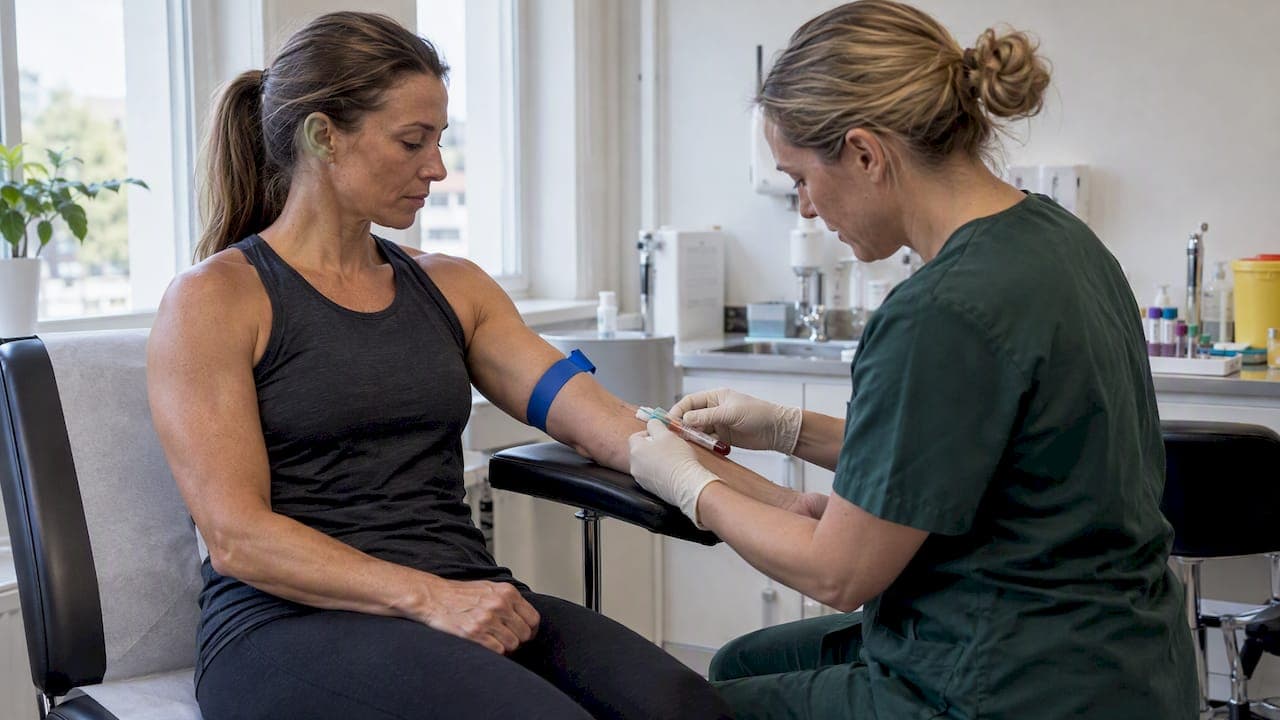
Some standardized botanical extracts, most notably fenugreek (Libifem®) and Tongkat Ali (Eurycoma longifolia), show modest, dose-dependent benefits on strength and body composition when paired with structured resistance training, particularly in women. The evidence remains limited to short trials, safety data stay incomplete, and regulatory scrutiny on certain extracts warrants a conservative, clinician-guided approach with baseline and follow-up hormone testing over a supervised 4 to 8 week window.
TL;DR:
- Short-term, structured resistance training combined with specific botanical extracts like Libifem® or Tongkat Ali can lead to modest strength gains, especially in untrained or older women.
- Most human trials involved doses of 400 to 600 milligrams daily for periods of 4 to 8 weeks, with longer use lacking safety and efficacy data.
- The benefits observed are highly dependent on training protocols and individual baseline, with trained athletes showing little to no response.
- Safety concerns include regulatory findings of genotoxicity in Tongkat Ali and the lack of long-term toxicity studies, warranting cautious, supervised use.
- Effective evaluation requires a time-limited trial with objective lab and performance measures before considering continuous supplementation.
Table of Contents
- What the Human Trials Actually Say About Fytoandrogener och Träning
- Botanicals With the Strongest Human Data and How They Might Work
- How Resistance Training Changes the Way These Extracts Perform
- Dosing, Timing, and Monitoring for a Trial-Aligned Protocol
- Safety Signals, Regulatory Findings, and What Remains Unknown
- What Disciplined Evaluation Looks Like for a Precision Trial
- Why Short, Measured Trials Beat Open-Ended Supplementation
- How VIRIDOS Approaches a Monitored Phytoandrogen Protocol
- Primary Sources Behind This Article's Claims
- Sources
- FAQ
What the Human Trials Actually Say About Fytoandrogener och Träning
The evidence base for phytoandrogens in athletic performance is smaller than the marketing around it suggests, but it is not empty. A handful of controlled trials give a reasonably clear picture of what is plausible, what is overstated, and what depends entirely on who is taking the extract and how they train.
The most cited work on Eurycoma longifolia comes from a pilot study of physically active seniors, aged 57 to 72, who took 400 milligrams of the extract daily for five weeks. Total and free testosterone rose, and handgrip strength improved in both men and women in the sample. The study included only 25 participants, 13 men and 12 women, which limits how far the findings can be extended, but it remains one of the few controlled human trials to report androgen changes tied to a specific dose and duration.
The strongest data specific to women comes from an 8-week randomized trial of Libifem®, a standardized fenugreek (Trigonella foenum-graecum) extract, in females aged 25 to 45. Participants who combined 600 milligrams per day with a supervised resistance program saw greater increases in leg press one-rep max and lean mass than those on placebo. The effect appeared tied to training itself: the extract did not act alone, it acted alongside a structured program.
Not every trial finds a benefit. A separate randomized trial examined Tongkat Ali in exercise-trained adults and found that 400 milligrams daily for four weeks produced no meaningful change in body composition or salivary free testosterone. The subjects were already well-trained, which points to a pattern worth remembering.
- Untrained or older populations tend to show larger, more measurable responses to phytoandrogen supplementation.
- Well-trained younger athletes show smaller or null effects, likely because their hormonal and muscular systems have less room to adapt.
- Trial duration and extract standardization vary widely, which makes cross-study comparison difficult.
- Sample sizes across this literature remain small, so individual trial results should be read as directional rather than definitive.
Context determines outcome more than the extract itself. A supplement that shows measurable benefit in a 57-year-old novice exerciser may do nothing for a 28-year-old competitive lifter. That distinction should shape expectations before anyone starts a trial.
Botanicals With the Strongest Human Data and How They Might Work
Not all phytoandrogens are created equal, and the reader encountering this category for the first time deserves a clear map of which extracts have actual human trial data behind them and which remain speculative.
Eurycoma longifolia (Tongkat Ali) has the most human pilot data of any extract in this category, primarily from the seniors trial cited above. Typical trial doses cluster around 400 milligrams per day, and the pilot work suggests measurable effects on testosterone and strength in older, previously untrained populations. A regulatory review of a standardized Tongkat Ali root extract, discussed further below, raised genotoxicity concerns that temper enthusiasm for open-ended use.
Trigonella foenum-graecum (fenugreek), standardized as Libifem®, carries the strongest randomized controlled trial evidence specific to women. The 8-week trial found that 600 milligrams per day outperformed lower doses and placebo on leg press strength and lean mass, when paired with resistance training. Standardized, branded extracts with defined phytochemical specifications, such as Libifem's standardization to furostanol saponins, produce more reliable trial data than generic fenugreek products sold without a specification.
Other botanicals, including Urtica dioica (stinging nettle) and Ajuga turkestanica, show promise in preclinical and animal work but lack the human trial data that Tongkat Ali and fenugreek have accumulated. A 2021 rodent study found that several herbal extracts combined with resistance exercise improved markers of sarcopenia in castrated animal models, which supports the exercise-plus-extract concept in principle without proving it works the same way in humans.
Fytoandrogener med mest dokumentation:
Fenugreek's Libifem® produced measurable strength and lean mass gains at 600 milligrams daily over 8 weeks (source), the clearest female-specific finding in this evidence category.
The mechanisms behind these effects are not the same as anabolic steroid action, and the distinction matters for anyone evaluating claims in this space. Several proposed pathways appear across the literature:
- Reduced sex hormone binding globulin (SHBG), which can increase the free, biologically active fraction of testosterone without necessarily raising total testosterone.
- Re-partitioning effects, where compounds displace hormones from low-affinity binding sites rather than stimulating new hormone production.
- Weak interactions with androgen receptors, distinct from the strong receptor agonism seen with synthetic anabolic compounds.
A broader review of candidate phytoandrogen plants notes that many substances carry the label loosely, with uneven evidence quality and real gaps in standardization and regulatory clarity across the category. That gap between what a supplement is called and what it has been shown to do is worth holding onto through the rest of this guide.
How Resistance Training Changes the Way These Extracts Perform
The trials that show measurable benefit share one design feature: none of them tested the extract alone. Every positive result involved a structured resistance program running alongside supplementation, which tells you something important about where the effect actually comes from.
In the Libifem® trial, participants trained under a supervised resistance program roughly three sessions per week. The Tongkat Ali seniors pilot also paired supplementation with regular physical activity. Progressive overload, the practice of gradually increasing the demand placed on muscle over weeks, was a consistent element across the trials that produced results.

Resistance training itself alters the hormonal environment the supplement operates in. Heavy, multi-joint lifts such as squats and deadlifts produce a transient rise in testosterone in the hours following a session, but according to clinical exercise guidance, long-term hormonal adaptation depends far more on sustained changes in body composition, recovery quality, and training status than on any single acute spike.
Excess training volume works against the outcome you are trying to produce. Insufficient recovery raises cortisol, and elevated cortisol can blunt the anabolic signaling that resistance training and supplementation are both trying to support. Periodization, meaning planned variation in training intensity and volume, exists precisely to prevent this.
A protocol that mirrors what the trials actually tested looks like this:
- Commit to an 8-week block, matching the duration used in the Libifem® trial.
- Train 2 to 3 full-body resistance sessions per week, prioritizing compound lifts.
- Apply progressive overload deliberately, increasing load or volume in small, tracked increments.
- Protect recovery between sessions, including sleep and rest days, rather than treating volume as the only lever.
- Reassess strength and body composition at the end of the block before deciding whether to continue.
Pro Tip: Track one objective strength marker, such as leg press or squat load, weekly. It reveals whether the training and the extract are working together before subjective energy or mood ever catches up.
Dosing, Timing, and Monitoring for a Trial-Aligned Protocol
The doses used in published trials are narrower and more specific than most product labels suggest, and matching your protocol to what was actually tested matters more than matching a marketing claim.
For Tongkat Ali, the pilot study in seniors used 400 milligrams per day for five weeks. For fenugreek, the female-specific trial tested a dose range of 300 to 600 milligrams per day, with the 600-milligram dose over 8 weeks producing the clearer strength and lean mass results. Neither trial ran longer than 8 weeks, which is itself informative: the evidence supports short, defined windows, not indefinite daily use.

The strongest randomized trial evidence for women covers an 8-week window at 600 milligrams of Libifem®, paired with supervised resistance training (source). That timeframe, not an open-ended regimen, is what the data actually supports.
A conservative, trial-aligned protocol borrows directly from these study designs:
- Run a defined trial window of 4 to 8 weeks rather than continuing indefinitely.
- Take the extract consistently, at the same time each day, to match the dosing pattern used in trials.
- Schedule baseline blood work before starting, covering total and free testosterone, SHBG, and cortisol.
- Repeat the same panel at the end of the trial window to see whether anything measurable actually changed.
- Track symptoms alongside labs: sleep quality, mood, recovery time, and training performance.
- Stop the trial and consult a healthcare provider if labs move in an unexpected direction or new symptoms appear.
Align heavier training days with adequate recovery rather than adding volume on top of a new supplement, and avoid stacking any phytoandrogen with medications known to interact with hormone metabolism until a healthcare provider has reviewed your full regimen. A review of stamina-focused botanical supplements offers useful broader context on how these products are evaluated across the wider supplement category, though the specific dosing above reflects what the phytoandrogen trials themselves tested.
Safety Signals, Regulatory Findings, and What Remains Unknown
The honest picture here includes real caution, and readers deserve the full regulatory context rather than a marketing summary of it.
A regulatory assessment of a standardized Tongkat Ali root extract, reviewed in connection with a novel food application, raised genotoxicity concerns. In vitro chromosome aberration tests returned positive signals, and a follow-up in vivo comet assay indicated possible DNA damage at higher doses. The panel concluded that safety had not been established for the extract under the conditions proposed, which included daily amounts up to 200 milligrams. This does not mean every Tongkat Ali product carries identical risk, extraction methods and standardization vary, but it does mean the ingredient category has an open regulatory question that any serious protocol should account for.
The panel noted in vitro chromosome aberration positives and in vivo comet assay results indicating possible DNA damage at high doses, and concluded that safety has not been established for the extract under the proposed use. EFSA-related assessment of Eurycoma longifolia root extract
Beyond this specific finding, the broader picture across phytoandrogen research includes gaps that matter:
- Long-term toxicology data are largely absent for most botanicals in this category, including extracts with encouraging short-term trial results.
- Trials to date report mostly mild adverse events, but none have run long enough to rule out effects that take months or years to appear.
- Pregnancy and lactation are excluded from every trial discussed here, and phytoandrogens should be avoided in both cases without exception.
- Standardized, branded extracts with published specifications offer more predictable outcomes than unstandardized generic products.
Reducing risk in practice means choosing standardized extracts with published trial data, keeping any personal trial short and monitored rather than open-ended, and involving a healthcare provider before starting, especially for anyone on existing medication.
What Disciplined Evaluation Looks Like for a Precision Trial
A 4 to 8 week trial with objective markers, not an indefinite supplement habit, is the only version of this that fits a disciplined approach to performance. The trials with usable evidence, Libifem® at 8 weeks, Tongkat Ali at 4 to 5 weeks, both had defined start and end points with measurement on both sides. That structure is what separates a genuine evaluation from wishful consumption.
An operational checklist for anyone running this kind of trial:
- Baseline labs before day one: total and free testosterone, SHBG, cortisol.
- A resistance training plan already in place, matched to the trial's duration, before adding any supplement.
- Daily adherence tracking, since inconsistent dosing makes trial results impossible to interpret.
- A defined stop condition: adverse labs, unexpected symptoms, or the end of the 4 to 8 week window, whichever comes first.
- Post-trial labs and an honest comparison against baseline before deciding whether continuation makes sense.
Readers building out this kind of protocol may find useful depth in a plant-based guide to serum testosterone support and in a review of phytoandrogen evidence and next steps, both of which expand on monitoring approaches referenced here.
Pro Tip: Book the follow-up lab draw before you start the trial, not after. A scheduled endpoint is what keeps a short trial short.
Why Short, Measured Trials Beat Open-Ended Supplementation
The conventional advice on this topic tends toward one of two extremes: dismiss phytoandrogens entirely as unproven, or treat them as a shortcut to hormonal optimization. Neither position survives contact with the actual trial data. The Libifem® result in women is real and specific, tied to a defined dose, a defined duration, and a training program that did the heavy lifting alongside it. That specificity is exactly what most supplement marketing strips away.
What gets underweighted in most discussions is duration discipline. Every trial that produced a measurable result stopped at 8 weeks or less and measured against a clear baseline. Open-ended use, the default pattern for most people who try a new supplement, was never tested and should not be assumed safe or effective by extension.
The reader's priority should be sequencing: build the training program first, add the extract as a defined, time-limited variable second, and measure before drawing conclusions. Anything less turns a testable question into a habit nobody can evaluate.
— Joakim
How VIRIDOS Approaches a Monitored Phytoandrogen Protocol
VIRIDOS was built for the reader who has just finished the sections above and wants a version of this that does not require piecing together separate extracts, dosing schedules, and lab orders alone. The product is a precision oral spray using proprietary extraction methods, produced in small batches, delivered through a controlled membership rather than sold as an open-market bottle.
The membership model exists because a trial like the one described in this article works best with structure around it, not less of it. What that looks like in practice:
- A sublingual delivery format designed around consistent daily use, the same discipline the underlying trials required.
- Small-batch Swedish production, prioritizing formulation precision over mass output.
- Access through the Member plan at $99 per month or the Professional plan at $299 per month, both structured around ongoing, monitored use rather than a one-time purchase.
If the evidence in this article convinced you that a short, measured trial is the right way to evaluate a phytoandrogen protocol, the VIRIDOS membership page outlines how the application and access process works.

Primary Sources Behind This Article's Claims
The clinical and regulatory findings referenced throughout this guide come from the following sources, listed here for readers or clinicians who want to verify the underlying data directly.
- Tongkat Ali pilot study in seniors: 400 mg/day for five weeks, testosterone and grip strength outcomes in 25 older adults.
- Libifem® fenugreek RCT in women: 8-week trial, 600 mg/day, strength and lean mass gains with resistance training.
- Tongkat Ali trial in trained adults: 4-week trial showing no significant change in body composition or free testosterone.
- EFSA-related safety assessment: genotoxicity concerns raised for a standardized Tongkat Ali root extract.
This article is general information, not a substitute for advice from a qualified doctor. Consult a qualified healthcare professional about your own circumstances before acting on anything here.
Sources
- Tongkat Ali as a Potential Herbal Supplement for Physically Active Male and Female Seniors—A Pilot Study
- Libifem® (Trigonella foenum-graecum) in conjunction with exercise on muscle strength, power, endurance, and body composition in females aged between 25 and 45 years
- The Effect of Tongkat Ali Supplementation on Body Composition in Exercise-Trained Males and Females
- Safety of Eurycoma longifolia (Tongkat Ali) root extract — EFSA-related assessment
FAQ
Can phytoandrogens actually improve strength training results?
Some standardized extracts, particularly Libifem® fenugreek at 600 milligrams daily over 8 weeks, showed measurable strength and lean mass gains when combined with supervised resistance training. The effect depends heavily on training status and the specific extract, so results vary by population.
Are phytoandrogens safe for women to use regularly?
Safety data remain limited to short trial windows of 4 to 8 weeks, and long-term use has not been studied. Pregnancy and lactation are excluded from all trials, and a regulatory review of Tongkat Ali root extract raised genotoxicity concerns that support a conservative, time-limited approach with medical guidance.
How long should a phytoandrogen trial run before evaluating results?
Published trials used windows of 4 to 8 weeks with lab or performance measurement at both the start and end. A 5-week Tongkat Ali pilot and an 8-week Libifem® trial represent the tested durations, not an open-ended supplement schedule.
What dose of Tongkat Ali or fenugreek do studies actually use?
The Tongkat Ali seniors pilot used 400 milligrams per day, while the Libifem® trial in women tested 300 to 600 milligrams per day, with 600 milligrams producing the clearer results. Doses above these ranges have not been studied for safety or effectiveness.
Does VIRIDOS offer a monitored phytoandrogen protocol?
VIRIDOS delivers a precision oral spray through a membership model with Member and Professional plans, produced in small batches in Sweden. Details on plans and pricing are available on the VIRIDOS pricing page.