
TL;DR:
- Building vitality for men aged 40–65 depends on consistent exercise, quality sleep, circadian-aligned nutrition, and deliberate energy management. Focusing on one core habit and sequencing other practices prevents burnout and improves long-term energy. Managing low-grade stress and tracking progress accelerate results and sustain performance.
Vitality is defined as the sustained capacity to generate physical and mental energy across the demands of a full professional and personal life. For men aged 40–65, the ways to boost vitality are well established: consistent exercise, quality nutrition, disciplined sleep, and deliberate energy management. These are not lifestyle luxuries. They are the operating conditions for sustained performance. The challenge is not knowing what works. The challenge is building systems that hold under pressure.
1. Meet the physical activity standard first
The CDC physical activity guidelines specify a clear minimum: 150 minutes of moderate aerobic activity or 75 minutes of vigorous aerobic activity per week, plus two muscle-strengthening sessions. This is the baseline for health and energy benefits, not an advanced target. Meeting it consistently is the single highest-return action for men seeking to increase energy levels.
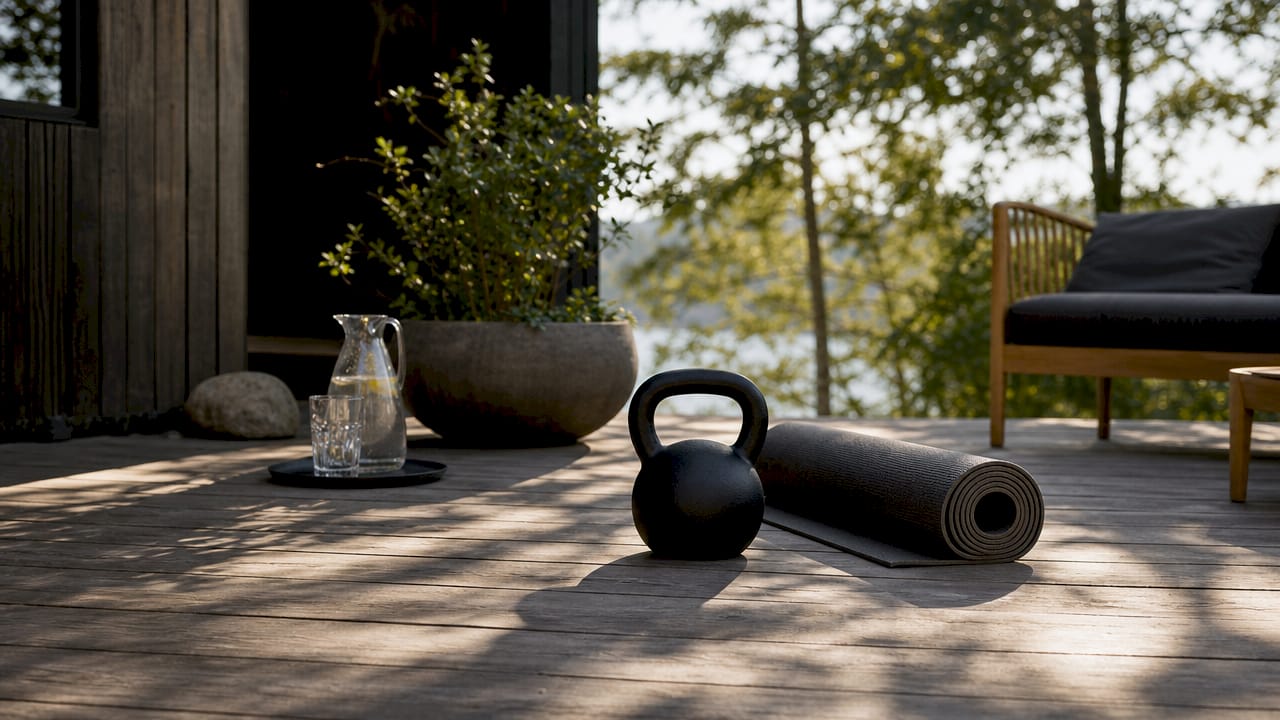
The adherence gap is significant. Only 52.3% of men met federal aerobic physical activity guidelines in a recent CDC survey. That means nearly half of American men are operating below the threshold where exercise reliably improves energy. Closing that gap produces measurable returns in stamina, mood, and cognitive output.
Treat exercise as a system with three levers:
- Aerobic dose: 30 minutes of brisk walking, cycling, or swimming on most days satisfies the weekly target.
- Strength frequency: Two sessions per week covering major muscle groups, spaced at least 48 hours apart.
- Distribution: Spread sessions across the week rather than compressing them into weekends.
Exercise also improves brain function over time. Consistent training builds brain volume and cognitive skills over 6–12 months. That means the mental clarity gains compound alongside the physical ones.
Pro Tip: Start with a 20-minute walk after lunch. It counts toward your aerobic target, blunts the post-meal energy dip, and builds the habit before you add intensity.
2. Align nutrition with your energy demands
Food timing matters as much as food quality. Eating during daylight hours, stopping consumption three hours before bed, and maintaining a 12-hour overnight fasting window all support metabolic function and steady energy. These practices align eating with circadian biology, which governs alertness and hormone output.
The dietary foundation for sustained energy is straightforward:
- Lean proteins and complex carbohydrates at each main meal to stabilize blood sugar.
- Fruits and vegetables for micronutrients and fiber that support gut health and reduce inflammation.
- Minimal added sugars and processed foods, which cause blood sugar swings and accelerate energy crashes.
- Consistent hydration. Harvard Health identifies hydration as a foundational vitality practice alongside balanced caloric intake.
Smaller, more frequent meals reduce the blood sugar dips that produce mid-afternoon fatigue. For men in demanding roles, this means front-loading calories earlier in the day and keeping evening meals lighter. The goal is managing energy levels across a full workday, not just fueling individual workouts.
Pro Tip: Caffeine has a half-life of roughly five to six hours. Cutting off coffee by early afternoon protects sleep quality without sacrificing morning focus.
3. Protect sleep as a performance asset
Sleep is the primary recovery mechanism for both physical and cognitive function. Men aged 40–65 need 7–9 hours per night to restore energy, consolidate memory, and regulate cortisol. Consistently sleeping less than seven hours degrades reaction time, decision quality, and physical output within days.
Sleep hygiene practices that produce measurable results include:
- Fixed wake time. Waking at the same time daily anchors the circadian rhythm regardless of when you fall asleep.
- Dark, cool environment. A room temperature around 65–68°F and blackout conditions reduce sleep fragmentation.
- Blue light cutoff. Screens emit light frequencies that suppress melatonin. Stopping screen use 60–90 minutes before bed accelerates sleep onset.
- No alcohol as a sleep aid. Alcohol reduces REM sleep and increases nighttime waking, producing lower-quality rest even when total hours look adequate.
The relationship between sleep and stress is bidirectional. Poor sleep raises cortisol, which increases perceived stress, which further disrupts sleep. Breaking that cycle requires treating sleep as a non-negotiable schedule item, not a variable. Men who build recovery discipline into their weekly structure report faster recovery from high-output periods and more consistent daily energy.
4. Manage energy expenditure, not just input
Boosting vitality depends on spending energy wisely, not just generating more of it. Harvard Health's four P's strategy provides a practical framework: Prioritizing, Planning, Pacing, and Positioning. Applied to an executive's day, this means sequencing high-cognitive tasks during peak alertness windows, building transition time between meetings, and avoiding the chronic low-grade rush that drains energy without producing output.
Auditing energy sinks including sleep timing, task pacing, and unnecessary rushing yields faster subjective vitality gains than exercise changes alone. This is the insight most men miss. They focus on adding inputs (more exercise, more supplements) while ignoring the behavioral drains that consume the energy they already have.
"Energy is finite. The executive who manages it like a budget outperforms the one who simply tries to generate more." — Harvard Health
Practical energy management for men in demanding roles:
- Schedule the two most cognitively demanding tasks before noon.
- Build a 10-minute buffer between back-to-back commitments.
- Take one deliberate rest break in the afternoon, even five minutes of stillness.
- Identify one recurring task each week that can be delegated or eliminated.
- Protect at least one hobby or physical activity that produces genuine restoration, not just distraction.
Pro Tip: Multitasking does not save time. It fragments attention and raises cortisol. Single-task in 45-minute blocks and you will finish more with less fatigue.
5. Use supplements selectively, not as a foundation
Supplements occupy a narrow but real role in supporting vitality. The evidence is specific: iron and B12 reduce fatigue only when a deficiency exists. Taking them without confirmed deficiency produces no benefit and, in the case of iron, carries risk. The starting point is always a blood panel to establish baseline status.
Creatine shows promise beyond the gym. Research indicates it may support both short-burst physical performance and mental fatigue reduction. The evidence base is still developing, but creatine is one of the few supplements with credible data across both physical and cognitive domains.
The practical supplement triage for men aged 40–65:
- Confirm deficiencies first. Test vitamin D, B12, iron, and magnesium before purchasing anything.
- Address deficiencies with targeted supplementation. Generic energy blends rarely correct the underlying gap.
- Consider creatine if physical performance and mental fatigue are both concerns, after foundational habits are in place.
- Treat supplements as support, not substitutes. No supplement replaces consistent sleep, exercise, and nutrition.
The men who benefit most from supplements are those who have already built the lifestyle foundation. Supplementing a poor sleep schedule or a high-sugar diet produces marginal returns at best.
6. Align your body clock with your schedule
Circadian rhythms and metabolic patterns significantly influence alertness and energy levels throughout the day. Aligning daily routines with these biological rhythms reduces inflammation, blunts cortisol spikes, and produces sustainable energy that willpower alone cannot replicate.
For men in professional roles, circadian alignment means more than just going to bed at a consistent time. It means eating, exercising, and scheduling cognitively demanding work in sync with natural alertness peaks. Most men experience peak alertness in the late morning, a dip in early afternoon, and a secondary window of focus in the late afternoon. Structuring the workday around these windows is a legitimate vitality strategy for professionals.
Light exposure is the primary circadian signal. Getting natural light within 30 minutes of waking sets the biological clock and improves alertness throughout the morning. Evening light exposure, particularly from screens, delays the clock and degrades sleep quality. These two habits, morning light and evening screen reduction, cost nothing and produce measurable results within days.
Key takeaways
The most effective ways to boost vitality combine structured physical activity, circadian-aligned nutrition, disciplined sleep, and deliberate energy management into a system that holds under the demands of a full professional life.
| Point | Details |
|---|---|
| Exercise is the highest-return habit | Meet 150 minutes of aerobic activity and two strength sessions weekly before adding anything else. |
| Food timing shapes energy | Eat during daylight hours, stop three hours before bed, and maintain a 12-hour overnight fast. |
| Sleep is non-negotiable | Seven to nine hours with a fixed wake time and a dark, cool environment protects cognitive and physical output. |
| Manage energy spending | Apply the four P's (Prioritizing, Planning, Pacing, Positioning) to reduce behavioral energy drains. |
| Supplement selectively | Test for deficiencies before supplementing; creatine shows the broadest evidence for men seeking physical and mental edge. |
What I've learned about vitality that most guides won't tell you
The conventional advice on vitality improvement is not wrong. It is incomplete. Most guides present exercise, sleep, and nutrition as parallel tracks. The reality is that they are a system. Sleep quality determines exercise recovery. Exercise quality determines appetite and food choices. Food timing determines sleep onset. Pull one lever without the others and you get partial results.
What I have found working with high-output men in demanding roles is that the bottleneck is almost never knowledge. It is sequencing. Men who try to overhaul everything simultaneously burn out within three weeks and revert. The ones who build lasting vitality start with one anchor habit, usually a fixed wake time or a daily walk, and add from there.
The other thing most guides miss is the cost of chronic low-grade stress. It does not feel dramatic. It feels like a slightly flat battery every afternoon. But over months, it erodes sleep quality, raises baseline cortisol, and degrades the motivation that makes disciplined habits possible. Addressing energy sinks is often faster and more impactful than adding new inputs.
Patience is not passive. Building real vitality takes three to six months of consistent practice before the compounding effects become obvious. The men who stay the course are the ones who track their progress and recognize small wins as evidence the system is working.
— Joakim
Viridos tools for men who take vitality seriously
Men who operate at a high level need more than general advice. They need a structured way to track what is working and adjust with precision.
The Viridos Performance Journal is built for exactly this purpose. It gives you a structured framework to log energy levels, sleep quality, exercise output, and recovery across weeks and months. Patterns that are invisible day-to-day become clear over time. For men who want a more personalized approach, the Viridos Membership provides access to executive performance formulation developed with the precision and restraint that defines Swedish production. Both are designed for men who treat vitality as a long-term investment, not a short-term fix.
FAQ
What are the most effective ways to boost vitality after 40?
The most effective methods are consistent aerobic exercise meeting CDC guidelines, 7–9 hours of quality sleep, circadian-aligned eating, and deliberate energy management using prioritization and pacing. These four pillars work as a system, not in isolation.
How quickly can lifestyle changes increase energy levels?
Most men notice improved daily energy within two to four weeks of consistent sleep and exercise habits. Cognitive benefits from exercise accumulate over 6–12 months of regular training.
Do supplements actually help with vitality?
Iron and B12 supplements reduce fatigue only when a confirmed deficiency exists. Creatine shows evidence for both physical performance and mental fatigue. Test your baseline before supplementing.
How does stress affect vitality in men aged 40–65?
Chronic stress raises cortisol, disrupts sleep, and depletes the mental energy needed for disciplined habits. Managing energy expenditure through pacing and task prioritization reduces this drain faster than most physical interventions.
What is the role of circadian rhythm in daily energy?
Circadian rhythms govern alertness, cortisol output, and metabolic function throughout the day. Aligning eating, exercise, and sleep with these biological patterns produces more stable energy than willpower-based approaches alone.