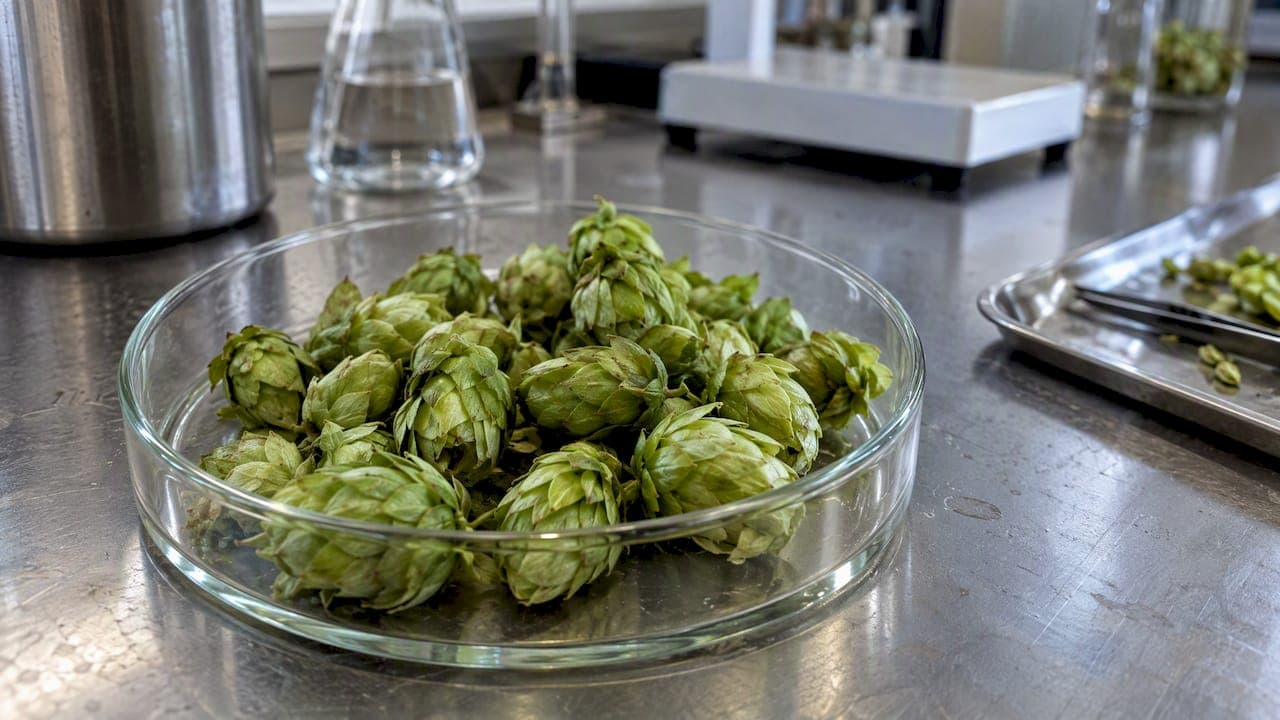
Bitter compounds do act on hormone signaling, but mostly in the gut. They activate bitter taste receptors along the digestive tract, which can influence the release of gut hormones such as GLP-1, CCK and ghrelin. Evidence that bitters change testosterone or other sex hormones in men is thin, and the human trials that exist are small and inconsistent. For a man who manages performance as a discipline, the sound position is this: respect the biology, judge the claims by the quality of the evidence, and treat concentrated extracts with the same care you would give any active ingredient.
TL;DR
- Bitter compounds (alkaloids, polyphenols, terpenoids, certain amino acids) are found in coffee, tea, beans, nuts and vegetables, and are detected by TAS2R receptors on the tongue and in the gut.
- The best-documented hormonal effect is on gut hormones that shape appetite, digestion and blood glucose, not on testosterone.
- Human studies are few, small and inconsistent. Claims that bitters "balance" male hormones go beyond what the data show.
- In Sweden, supplements are not safety-checked by authorities before they are sold, and extracts concentrate active substances. Medicine interactions are possible.
- Before adding any concentrated bitter extract, check the source, the dose and your medications, and tell your physician.
Table of Contents
- What bitter compounds are and where you find them
- How bitter compounds reach hormone pathways
- What human research actually shows
- Reading hormone claims with discipline
- Practical use: bitters in a disciplined routine
- Safety: extracts are not the same as food
- Perspective: precision over folklore
- Membership for men who verify
- Frequently asked questions
- Sources
What bitter compounds are and where you find them
"Bitter" is a taste, not a single chemical family. A 2024 academic review of bitter perception groups bitter compounds into alkaloids, polyphenols, terpenoids and amino acids, and lists coffee, tea, beans, nuts and vegetables among the foods that carry them.
In daily life that means:
- Coffee and tea: caffeine is an alkaloid, and the polyphenols give both drinks their astringent edge.
- Bitter vegetables: arugula, radicchio, chicory, kale and Brussels sprouts.
- Hops: the source of the bitterness in beer, also studied as an extract.
- Herbal bitters: gentian, wormwood and similar plants, sold as tinctures, drops or capsules.
- Dark cocoa and olive oil: polyphenol-rich foods with a noticeable bitter finish.
The point that matters for a hormone discussion: the same word covers a cup of espresso and a concentrated hop extract. Their doses, delivery and effects are very different.
How bitter compounds reach hormone pathways
The mechanism is more interesting than the folk wisdom. Bitter substances are detected by bitter taste receptors (TAS2Rs), a family of G protein-coupled receptors. According to a 2021 review of bitter substances and gastrointestinal function, these receptors sit not only on the tongue but also in the gastrointestinal tract, where they act as chemosensors of what is in the gut lumen.
When activated, the same review describes intracellular signaling that can release gut hormones including GLP-1, CCK and ghrelin. These hormones influence digestion, appetite and blood glucose.

So the accurate statement is that bitter compounds can influence gut hormone signaling. That is a different claim from "bitters raise testosterone" or "bitters rebalance estrogen," which is the kind of language that dominates the blog pages ranking for this topic.
A newer finding worth knowing
Research is also looking at the relationship in the other direction. A 2026 paper in the Annals of the New York Academy of Sciences tested 19 steroid hormones and found that steroid hormones can activate certain human bitter taste receptors in laboratory assays, with TAS2R14 and TAS2R46 responding differentially. The researchers describe the hormones as putative endogenous activators. A summary of the work from the Leibniz Institute names progesterone, testosterone and hydrocortisone among those that could act on these receptors.
This is cell-based work. It shows that bitter receptors and steroid hormones can interact in a test system. It does not show that eating bitter foods changes your testosterone level.
What human research actually shows
The honest summary comes from the 2021 review cited above: human studies of bitter substances are few, and they have produced inconsistent, often modest findings. The authors also note that higher doses and tolerability need further study.
The most cited human example concerns hops. In a randomized crossover trial from New Zealand, 500 mg of hops extract released in the stomach or duodenum reduced total energy intake at a meal in healthy-weight men. The paper also notes that earlier studies with bitter tastants had reported inconsistent appetite effects. Note what was measured: food intake after a single exposure, in a controlled setting. Testosterone was not the outcome.
For broader context on hop compounds and clinical studies, a 2022 review in Plants surveys the genus Humulus.

Where the evidence stops
We found no checked human trial showing that dietary bitter compounds raise or lower testosterone in men. That absence is informative. It means any product or article promising a specific hormonal result from bitters is working from mechanism, animal data or tradition, not from established outcomes in men like you.
Reading hormone claims with discipline
Men in demanding roles are used to evaluating evidence in their own fields. Apply the same filter here. Four questions separate a credible statement from marketing:
- Which hormone, measured how? "Supports hormone balance" is not a measurement. A named hormone in a named trial is.
- In whom? A study in healthy-weight men on appetite says little about a 52-year-old founder's testosterone.
- At what dose and delivery? A cup of coffee, a bitter salad and a concentrated extract are not interchangeable.
- Who replicated it? One small trial is a signal, not a conclusion.
Our guide to what holds up in supplements for entrepreneurs applies the same questions across the category.
Practical use: bitters in a disciplined routine
Nothing here argues against bitter foods. They are part of a serious diet, and they are one of the simplest ways to add polyphenols without adding anything exotic.
- Start with food. Arugula, chicory, olives, dark cocoa, coffee and tea deliver bitter compounds in the amounts people have eaten for generations.
- Time them to meals. The gut-hormone research concerns what happens in the digestive tract around eating, so bitter foods at the start of a meal fit the mechanism.
- Keep caffeine deliberate. Caffeine is itself a bitter alkaloid. If you train hard, a caffeine protocol for athletes and coaches shows how dosing by body weight keeps stimulant intake measured rather than habitual.
- Hold the foundations constant. Sleep, resistance training, protein intake and alcohol moderation influence how you feel and perform far more than any single bitter compound.
- Change one variable at a time. If you introduce a new extract, keep everything else stable for several weeks and note the effect on sleep, digestion and focus.
Safety: extracts are not the same as food
This is the section to read twice. Concentration changes the risk profile.
Swedish authorities are direct about it. A Livsmedelsverket knowledge review of dietary supplements notes that in Sweden supplements do not undergo an authority safety check before being marketed, and that interactions with medicines are possible. It advises caution and informing your physician. It also warns that concentrated extracts can carry higher risk than whole foods because the active substances are more concentrated. Livsmedelsverket's control wiki repeats the point: extracts concentrate active substances, often more than whole-plant powder.
The medicines question is the one men over 40 most often overlook. A Läkemedelsverket survey found that only a quarter of respondents knew that supplements, herbal medicines and over-the-counter products can affect medicines, and many did not tell their doctor what they used. The agency says this can affect treatment.
In practice:
- If you take prescription medication for blood pressure, cholesterol, blood thinning, diabetes, mood or prostate health, speak to your physician or pharmacist before starting any concentrated plant extract.
- Bring the actual product label, with the extract type, standardization and dose, to that conversation.
- Do not exceed the labeled dose, and introduce one product at a time.
- Prefer products with a batch certificate of analysis and a clear manufacturing origin.
Three of our own guides go deeper on these checks: drug interaction risk and herbal extracts in Sweden, P450 interactions with herbs, and why a stated extract ratio is not enough. For the regulatory frame, see the legal requirements for food supplements in Sweden.
Athletes and men who are tested should also know that supplement quality can carry anti-doping implications. Our four-week certificate of analysis protocol lays out how to verify a batch.
Perspective: precision over folklore
We build for men who are still in the arena, and that means we hold ourselves to a harder standard than the wellness category usually does. Bitter compounds are a legitimate field of study, and the gut receptor work is real science. But "real science" is not the same as "proven outcome in men," and we will not blur the two.
Our approach at VIRIDOS starts from the same discipline you apply in your own work: keep the evidence, the reasoning and the uncertainty inspectable. We produce in small batches in Sweden because precision and traceability matter more to us than volume. Our formulation is designed around a sublingual delivery philosophy, with the aim of giving you a measured, repeatable way to support drive, clarity and performance longevity as part of a disciplined life. We make no claim that it replaces sleep, training, nutrition or medical care. It is built to sit on top of them.
If a brand cannot tell you what its ingredient does, in whom, at what dose, and what remains unknown, it has not earned a place in your routine. Hold us to that as well.
— Joakim
Membership for men who verify
VIRIDOS is a controlled-access membership. Applicants are reviewed individually, and approved members receive regular shipments of our oral spray supplement, produced in small batches in Sweden. The Member plan is $99 per month and the Professional plan is $299 per month; the pricing page sets out what each includes.

If you want to understand the approach before you apply, start with our pages on executive performance and longevity performance strategy, or read how we think about Swedish manufacturing checks and the legal checks for oral spray supplements.
Frequently asked questions
Do bitter herbs raise testosterone?
There is no checked human evidence that bitter compounds raise testosterone in men. The established research concerns gut hormones such as GLP-1, CCK and ghrelin, and even there human results are modest and inconsistent. Treat any specific testosterone claim for bitters with skepticism.
Are bitter foods good for hormones in general?
Bitter foods such as leafy greens, chicory, coffee and tea are a sound part of a varied diet, and they engage receptors that help signal digestion. That is a reasonable basis for eating them, but it does not amount to a proven effect on male sex hormones.
Is a bitter extract safer than a supplement or a medicine?
Not automatically. Livsmedelsverket notes that extracts concentrate active substances and can pose higher risk than the whole food. Supplements in Sweden are not safety-checked by authorities before sale, so verify the label, dose and batch documentation.
Can bitter supplements interact with my medication?
Interactions are possible. Läkemedelsverket reports that many people do not realize supplements and herbal products can affect medicines, and many do not tell their doctor. Bring the product label to your physician or pharmacist before you start.
Should I take hops extract for appetite or hormones?
The hops trial in healthy-weight men measured short-term food intake after a 500 mg dose, not hormone levels in daily life. It is an interesting signal, not a recommendation. Discuss any extract with a physician first.
Sources
- Bitter Perception and Effects of Foods Rich in Bitter Compounds (2024)
- Effects of Bitter Substances on GI Function, Energy Intake and Glycaemia (2021)
- An extract of hops (Humulus lupulus L.) modulates gut function and energy intake
- An Updated Review of the Genus Humulus (2022)
- Steroid Hormones Are Potent and Putatively Endogenous Activators of Human Bitter Taste Receptors (2026)
- Bitter taste receptors at the interface between nutrition, the endocrine system, and health
- Livsmedelsverket: Kosttillskott, kunskapsöversikt (2017)
- Livsmedelsverket Kontrollwiki
- Läkemedelsverket: Det du äter och dricker kan påverka dina läkemedel
- Caffeine Protocol for Athletes and Coaches