For most performance-focused men, the conservative and evidence-aligned approach is a 4 to 8 week cycle of a standardized phytoandrogen extract, followed by a matched washout of at least 3 to 4 weeks, with baseline and end-of-cycle labs under clinician oversight. The clinical evidence behind these compounds remains limited, which is exactly why standardized, batch-tested extracts and professional monitoring matter more than ambition.
TL;DR:
- A cycle can run 4 weeks on and 4 weeks off; extend to 6 to 8 weeks only after clean labs and a clear response.
- Studies used standardized Eurycoma extracts at 100 to 200 mg daily and fenugreek at 250 to 600 mg, but evidence remains limited and inconsistent.
- Check ALT, AST, creatinine, testosterone, and SHBG before and after a cycle; stop and contact a clinician if markers turn abnormal or new symptoms appear.
- Choose standardized extracts with batch certificates of analysis, not raw powders or proprietary blends, and disclose medications and supplements to your clinician before starting.
- If labs worsen or no subjective change appears by midcycle, shorten the next cycle or extend washout instead of raising the dose.
Table of Contents
- Three Practical Protocols for Cycling Phytoandrogens
- What the Clinical Evidence Actually Shows
- Safety Checks and Quality Controls Before You Start
- Tracking Results: What to Measure and When to Stop
- The VIRIDOS Clinician-Monitored Trial Model
- Interactions With Other Supplements and Medications
- Adjusting Your Protocol to Individual Response
- Nutrition and Lifestyle Factors That Shape Results
- What Discipline Actually Looks Like Here
- Explore Clinician-Monitored Trials With VIRIDOS
- FAQ
- Sources
Three Practical Protocols for Cycling Phytoandrogens
Not every executive has the same tolerance for risk, time, or ambiguity. The three protocols below reflect the range of approaches supported by existing trial data on fenugreek and Eurycoma longifolia extracts, each suited to a different kind of discipline.
- Conservative: 4 weeks on, 4 weeks off. This fits men testing a phytoandrogen for the first time, or those with any history of liver, kidney, or hormonal irregularity. It mirrors the shorter end of trial durations and gives a full washout before any decision to repeat.
- Moderate: 6 to 8 weeks on, 3 to 4 weeks off. Consider this once a conservative cycle has produced clean labs and a clear subjective signal. It matches the window used in several fenugreek trials that reported measurable changes in testosterone and sexual function markers.
- Short monitored: 2 to 4 weeks on with frequent clinician checks. This suits executives who need a fast, safety-first readout before committing to a longer protocol, often paired with saliva testing for practical, low-friction monitoring between visits.
Dose ranges drawn from controlled research are reference points, not promises. Standardized Eurycoma extracts have been studied at 100 to 200 mg per day, while standardized fenugreek extracts are typically studied between 250 and 600 mg per day. Men over 40 exploring their first structured protocol may find it useful to review our evidence-first phytoandrogen protocol for men 40 and older before choosing a starting point.
Pro Tip: Pick the shortest protocol that could answer your question. A 4-week cycle with clean labs tells you more than an 8-week cycle you abandon halfway through.

What the Clinical Evidence Actually Shows
The research base for phytoandrogens is real but narrow, concentrated in a handful of standardized extracts tested in small to moderate samples over defined windows.
- A randomized, double-blind, placebo-controlled study of Physta®, a standardized Eurycoma longifolia root extract, found significant increases in total testosterone at both 100 mg and 200 mg daily over 12 weeks in aging men, with some dose-dependent changes appearing within 2 to 5 weeks.
- Furosap® and related standardized fenugreek extracts showed improvements in total and free testosterone and sexual function markers over 8 to 12 weeks at doses commonly between 250 and 600 mg per day.
- A systematic review of herbal trials identified fenugreek, ashwagandha, and Eurycoma longifolia among the best-evidenced botanicals for modest testosterone effects, while noting that the overall evidence base remains heterogeneous, with small sample sizes and inconsistent methodology across studies.
A single 12-week randomized trial found total testosterone increases with Physta® at 100 mg and 200 mg daily doses, a result that matters because it defines the dose and duration window most other protocols now borrow from. The forms tested in these trials, standardized and quantified extracts rather than raw powders, are the forms worth seeking out. We go deeper into the plant-based evidence base in our guide to serum testosterone support.
Safety Checks and Quality Controls Before You Start
Cycling a phytoandrogen responsibly means treating it like any other intervention with physiological effects: establish a baseline, verify the product, and monitor through the cycle.
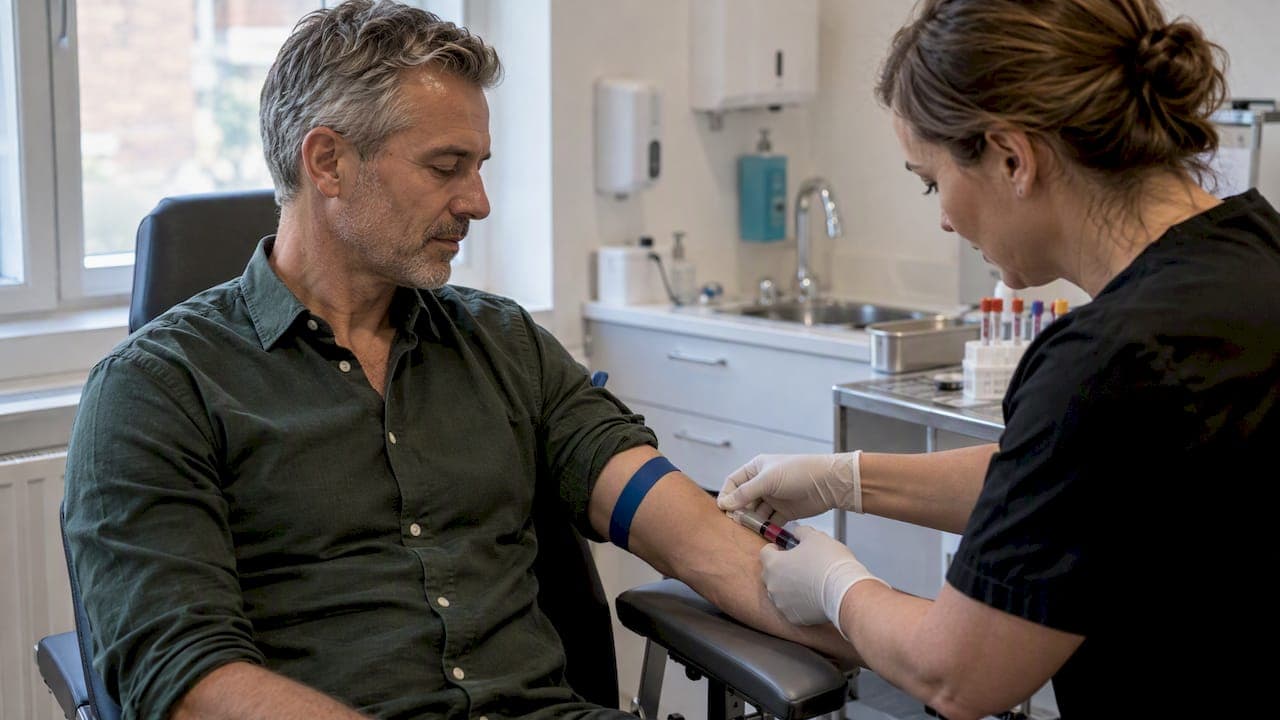
- Order baseline labs before starting: ALT and AST for liver function, creatinine for renal function, total testosterone with free testosterone where available, and SHBG.
- Repeat the same panel at the end of the cycle, and consider a mid-cycle check for longer protocols.
- A 6-week trial of Physta® at 400 mg per day found no significant change in urinary T:E ratio or liver and renal markers in recreational athletes, a useful short-term safety signal, though it does not extend to longer cycles or higher doses.
- Favor standardized extracts with published batch certificates of analysis (COAs) over raw or proprietary blends; botanical supplement surveillance has repeatedly flagged adulteration risk in unregulated products.
- In the EU, food supplements are regulated as foods, and manufacturers carry responsibility for safety, labeling, and documentation under Livsmedelsverket rules, which places the burden of verification on the buyer as much as the seller.
Our five-step COA checklist walks through exactly what to look for on a batch certificate before committing to a product.
Tracking Results: What to Measure and When to Stop
A cycle without measurement is just a habit. Build your monitoring plan before day one, not after you notice a change.
- Baseline panel: liver enzymes, creatinine, total and free testosterone, SHBG, drawn in the days before starting.
- Mid-cycle check: for protocols beyond 6 weeks, a lighter panel or saliva test helps catch early signals without a full lab visit. A randomized trial using saliva testosterone alongside fenugreek supplementation found measurable changes over 12 weeks, supporting saliva as a practical, lower-friction proxy for free testosterone between formal draws.
- End-of-cycle panel: repeat the baseline tests exactly, then compare against sleep quality, libido, training output, and subjective focus during working hours.
Pro Tip: Treat any abnormal liver or kidney marker, or a new symptom like unexplained fatigue or mood disruption, as an automatic stop signal and a reason to call your clinician before the next scheduled dose.
The VIRIDOS Clinician-Monitored Trial Model
Disciplined men rarely want to guess their way through a protocol, and that preference is the foundation of how we structure access to our own formulation. Rather than selling an open-ended bottle, we built a model around short, observed trials.
- A 4-week sublingual safety trial establishes tolerance and baseline response before any longer commitment.
- Extended 4 to 8 week clinician-monitored trials follow for members who want a complete cycle with lab review at each end.
- Every batch is produced in small runs in Sweden with a published certificate of analysis, consistent with the quality controls outlined in our batch-testing checklist.
- Clinician oversight runs through assessment, the monitored trial itself, and a lab review before any decision to continue.
An executive applying to this model moves through assessment, a monitored trial window, a lab review, and then a decision, the same sequence a careful DIY cycle would follow, structured so none of the steps get skipped under schedule pressure.
Interactions With Other Supplements and Medications
Phytoandrogens do not act in isolation, and the men most likely to take one are also the men most likely to already be taking something else. Zinc, often paired with androgen-support protocols, has its own dosing and monitoring considerations worth reviewing separately in our zinc and androgens protocol rather than stacking blindly. Any man on prescribed medication, particularly for blood pressure, cholesterol, or hormone-related conditions, should treat a new phytoandrogen as a variable that needs a clinician's sign-off before layering onto an existing regimen. The liver and kidney markers tracked during a cycle matter even more when another supplement or medication places its own demand on those same organs, since overlapping effects on the same pathway are harder to separate once a cycle is underway. Men researching research-grade compounds alongside botanical extracts should also understand that third-party lab verification, the kind detailed in peptide-focused COA resources, applies the same logic: a compound is only as trustworthy as its documentation. The safest posture is disclosure, not assumption. Tell your clinician everything you take, including over-the-counter stacks, before adding a phytoandrogen cycle on top.
Adjusting Your Protocol to Individual Response
No two men respond to the same dose on the same timeline, and the trial data reflects that variability rather than hiding it. Some Physta® studies showed measurable testosterone shifts within 2 to 5 weeks, while others needed the full 12 weeks to reach significance, a spread that should temper any expectation of a fixed timeline. If a conservative 4-week cycle produces a clear signal with clean labs, extending toward the moderate 6 to 8 week window is a reasonable next step. If labs shift unfavorably or no subjective change appears by the midpoint of a cycle, the correct adjustment is to shorten the next cycle or extend the washout, not to raise the dose. Age and baseline testosterone also shape outcomes: reviews of botanical testosterone support note that results vary by population, with younger men and those starting from higher baselines sometimes showing less room for measurable change than older men. Men over 50 often benefit from a slightly different starting framework, which we address directly in our plant androgen guide for men at 50.

Nutrition and Lifestyle Factors That Shape Results
A phytoandrogen cycle does not operate independently of the rest of your physiology, and the inputs around it often determine whether a protocol shows anything measurable at all. Sleep debt, chronic caloric deficit, and high cortisol load from sustained executive stress all work against the same androgen pathways a phytoandrogen is meant to support, which means a cycle layered onto poor sleep or an extreme diet is working against its own premise. Adequate protein intake and resistance training volume both influence how readily the body uses any additional androgenic signaling, and zinc status in particular has a documented relationship with testosterone metabolism worth checking before or during a cycle. Alcohol intake during a cycle is worth limiting deliberately, since it places additional load on the same liver pathways being tracked through your labs. None of this means a cycle requires a complete lifestyle overhaul, but it does mean the men who see the clearest results are usually the ones who already have sleep, training, and nutrition under reasonable control before they start.
What Discipline Actually Looks Like Here
The real trade-off in cycling phytoandrogens is not between aggressive and conservative dosing. It is between men who treat a protocol as a project with a start, an endpoint, and a lab review, and men who treat it as an open-ended habit. Build it into your calendar the same way you would a quarterly review, with a clinician involved before the first dose, not after a symptom shows up.
— Joakim
Explore Clinician-Monitored Trials With VIRIDOS
We built our membership for men who want the rigor of a monitored trial without the guesswork of sourcing, dosing, and interpreting labs alone. A membership gives you access to a sublingual formulation produced in small batches in Sweden, backed by published batch documentation and clinician oversight at each stage of a trial.

- Clinician oversight runs from initial assessment through the monitored trial and the lab review that follows it.
- Small-batch Swedish production keeps each run traceable to its own certificate of analysis.
- Membership tiers include Member at $99 per month and Professional at $299 per month, each structured around ongoing shipments rather than a one-time purchase.
If you have already reviewed the protocols above and want a monitored path rather than a self-directed one, our membership overview outlines how the assessment and trial process works from application to first shipment.
This article is general information, not a substitute for advice from a qualified doctor. Consult a qualified healthcare professional about your own circumstances before acting on anything here.
FAQ
What is the safest way to cycle phytoandrogens?
A conservative 4-week on, 4-week off cycle with baseline and end-of-cycle labs is the most cautious starting structure, since it mirrors the shorter end of durations used in controlled trials and gives a full washout before deciding whether to repeat. Clinician oversight throughout the cycle allows any abnormal lab result to be caught early.
How long do clinical trials typically run for fenugreek and Eurycoma extracts?
Standardized fenugreek trials, including work on Furosap®, generally run 8 to 12 weeks, while Physta® trials on Eurycoma longifolia have shown changes within 2 to 12 weeks depending on dose. These windows are the basis for most practical cycling protocols.
Can cycling phytoandrogens affect doping tests for athletes?
A 6-week trial of Physta® at 400 mg per day found no significant change in urinary testosterone to epitestosterone ratio in recreational athletes, a reassuring but limited short-term signal. Athletes subject to testing should still confirm product purity through third-party batch certificates before use.
What does a VIRIDOS clinician-monitored trial include?
A VIRIDOS trial begins with an assessment, moves through a sublingual safety window and an extended monitored trial, and ends with a lab review before any decision to continue. Pricing for ongoing membership is listed on our pricing page, starting at $99 per month for the Member tier.
How do I know if a supplement extract is properly standardized?
A standardized extract like Physta® or Furosap® lists a quantified active-constituent content and is backed by a batch certificate of analysis from the manufacturer, unlike raw or proprietary blends with no published documentation. Surveillance literature has flagged adulteration risk in unverified botanical products, which is why a COA request before purchase remains a reasonable due diligence step.